Exterior Louvered Shutters
Exterior Louvered Shutters
Price & Order Louvered Shutters
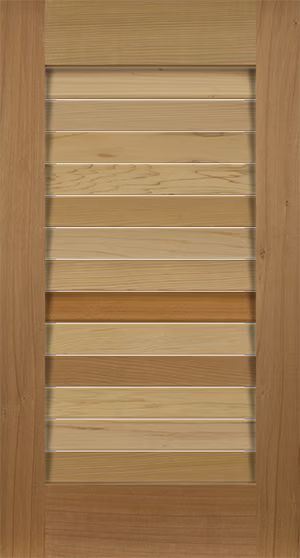
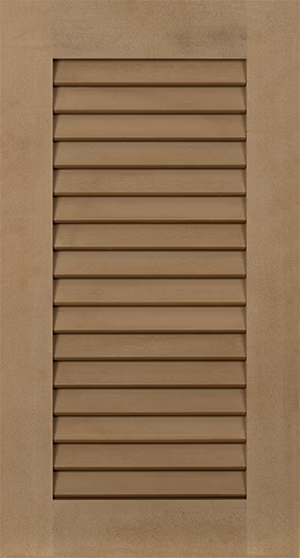
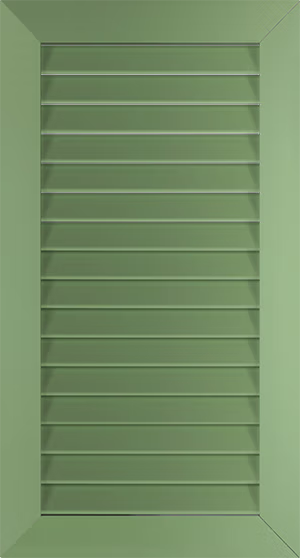
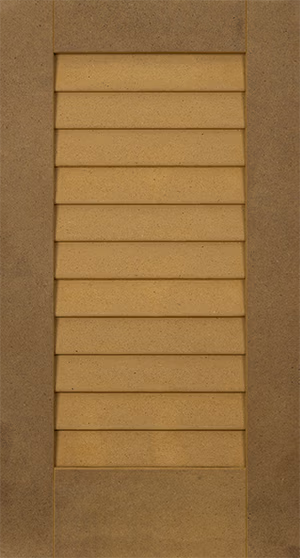
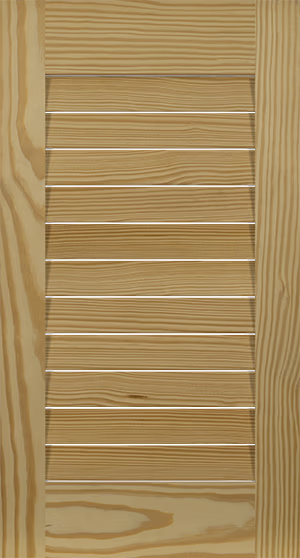
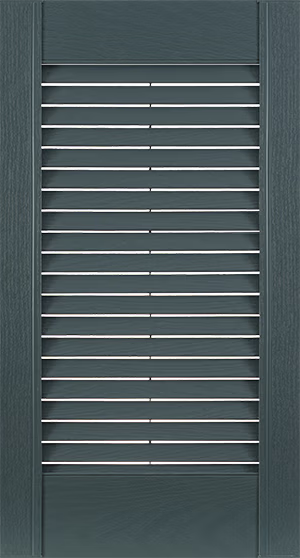
Exterior louvered shutters feature horizontal slats that create a traditional architectural look while adding depth and character to windows. ShutterLand offers louvered shutters for both decorative and functional applications, with options designed to remain fixed beside the window or mount with hinges for operation.
Premium Wood Louvered Shutters
Premium wood louvered shutters provide the authentic construction and architectural character associated with traditional exterior shutters. Individual louvers are positioned between solid stiles and rails with open space between the slats. The shutters can be mounted with functional hinges to swing open and closed or secured beside the window for decorative use.
ShutterLand premium wood shutters are available in Red Grandis, Cedar and Mahogany. Each species offers different characteristics in grain, weight and appearance. Wood is also the only louvered shutter material that can be ordered for either a painted or stained finish, making it especially versatile for traditional, historic and high-end homes.
Economy Wood Exterior Louvered Shutters
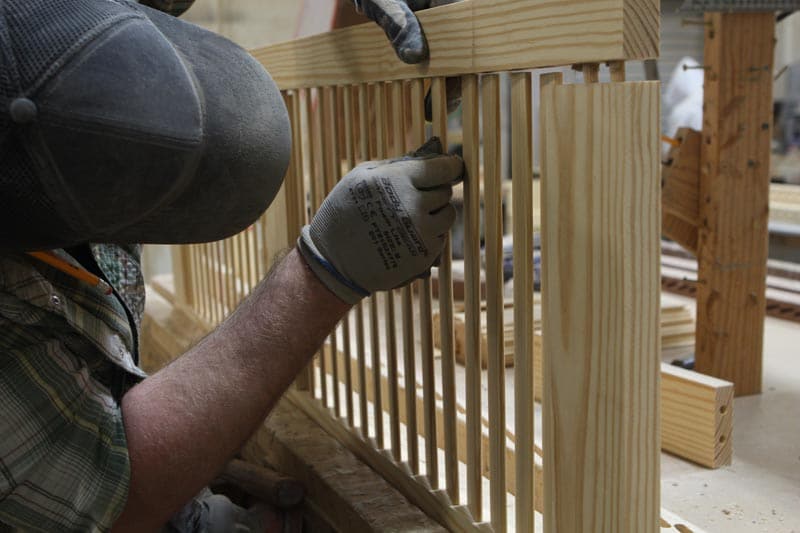
Economy wood louvered shutters offer many of the characteristics of premium wood at a lower price. They are constructed from Southern Yellow Pine using individual louvers and can be installed either functionally with hinges or in a stationary position.
Pine is a practical choice when genuine wood construction is desired but the added characteristics of premium lumber are not necessary. Regular inspection and maintenance of the exterior finish will help protect the wood from weather exposure.
PVC Louvered Shutters
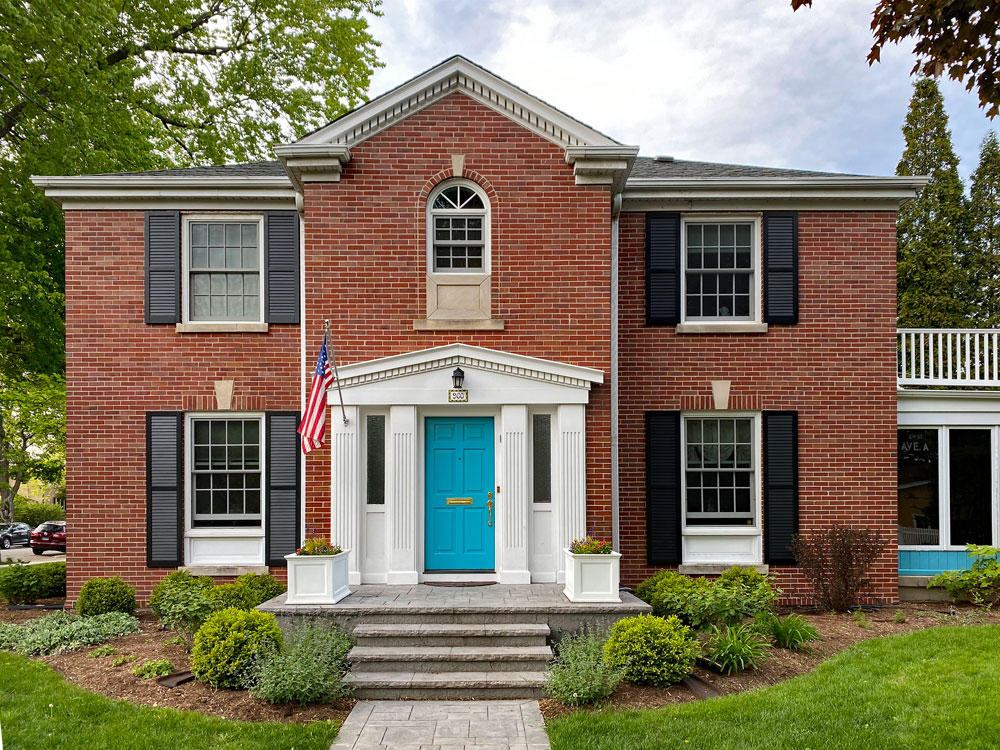
PVC louvered shutters combine traditional shutter construction with excellent resistance to outdoor moisture. Solid components and individual louvers with open space between the slats give PVC shutters an appearance similar to premium wood.
PVC shutters can be installed with functional hinges or mounted in a fixed position. Their durability, low maintenance requirements, and traditional louver construction make them particularly well suited for demanding climates and projects where authentic details are important without the maintenance requirements of natural wood.
Aluminum Louvered Shutters
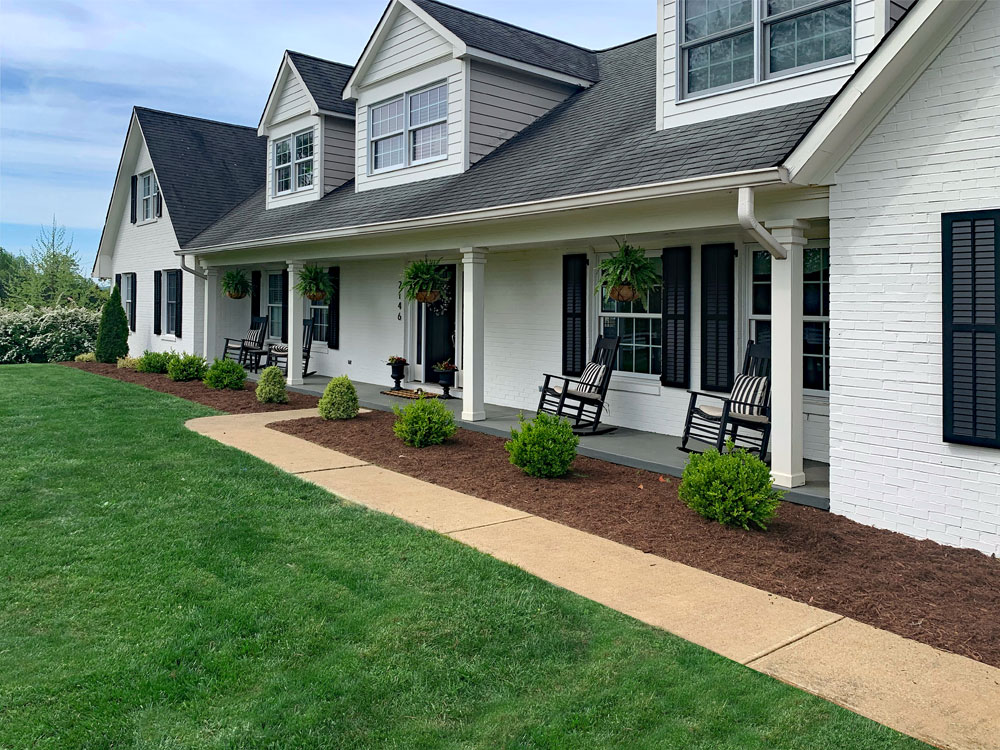
Aluminum colonial-style louvered shutters provide exceptional strength with low-maintenance exterior construction. Colonial-style aluminum shutters can be mounted with side hinges for functional operation or, in decorative configurations, installed in a stationary position beside the window.
Decorative aluminum shutters provide the architectural appearance of traditional louvers but are not intended for hurricane protection. Select aluminum configurations are engineered and impact tested for use as hurricane shutters. Hurricane-rated models use reinforced louvers and approved hardware to help protect windows from high winds and windborne debris.
Aluminum is an excellent consideration for coastal homes, functional applications and projects where strength and long-term exterior durability are priorities.
Composite Louvered Shutters
Composite louvered shutters provide a substantial traditional appearance in a dense engineered material designed for exterior use. The individual shutter components are manufactured from Extira and assembled into custom-size panels.
Composite louvers differ from traditional wood and PVC construction. Instead of individual slats with open space between them, the louvers are machined in sections with no separation between adjacent slats. The distinction is generally subtle once the shutters are painted and installed.
Composite louvered shutters are designed for stationary installation only. They are a good choice for homeowners who want the appearance and visual weight of a custom shutter without requiring functional operation.
Vinyl Louvered Shutters
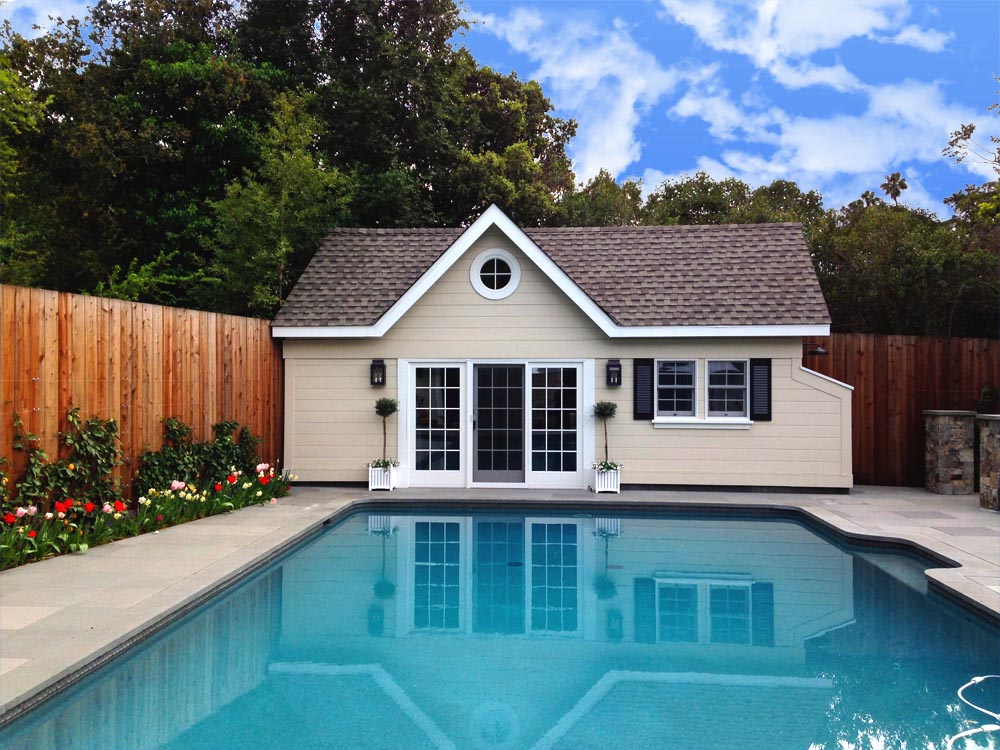
Vinyl louvered shutters are an economical and low-maintenance way to add traditional shutter styling to a home. Their lightweight molded construction makes them easy to handle and install, while the material is unaffected by moisture and requires little routine maintenance.
Vinyl shutters are decorative only and are installed in a stationary position beside the window. Unlike custom wood, PVC, composite and aluminum shutters, vinyl panels are available in a more limited selection of widths and configurations. A broad selection of molded colors makes vinyl especially practical for straightforward exterior improvements on a budget.
Customize Exterior Louvered Shutters
The proportions and details of a louvered shutter can have a significant effect on its finished appearance. Available options vary by material and may include shutter dimensions, top profile, louver size, divider rails and decorative tilt bars.
Shutter Dimensions
Custom shutters are manufactured to the width and height specified when ordering. Functional shutters should be sized to appropriately cover the window opening when closed. Decorative shutters do not need to actually cover the opening, but proper proportions help create the appearance that they could.
Straight or Arch Top
A straight top is appropriate for standard rectangular windows. Select louvered shutters can also be ordered with an arch top to follow the shape of an arched window. Left and right arch profiles allow a pair of shutters to complement the curve of the opening.
Louver Size
Louver dimensions vary by shutter material. Smaller louvers generally create a more traditional and detailed appearance, while larger louvers create cleaner lines and a more open visual pattern.
Available louver sizes include:
- Premium Wood: 1.5″ or 1.75″
- PVC: 1.625″
- Aluminum: 1.5″ or 2″, depending on configuration
- Composite: 1″ or 1.75″
- Vinyl: size varies by model
Divider Rails
A horizontal divider rail separates the louvers into upper and lower sections. The rail can be centered or positioned at a custom location to align with the architecture of the window.
For a custom location, measure from the bottom of the shutter to the center of the divider rail. Some taller shutters require a divider rail for additional structural support.
Tilt Bars
Historically, traditional shutters with movable louvers used a vertical tilt bar to control louver position. ShutterLand exterior shutter louvers are fixed in position and do not rotate, but a faux tilt bar can be added to select wood, PVC and composite shutters for a more traditional appearance.
Functional vs. Decorative Louvered Shutters
The intended installation is an important consideration when selecting a shutter material.
Premium wood, economy wood, PVC and aluminum louvered shutters can be installed with hinges for functional operation, or be used in a stationary (decorative) application. Functional shutters swing from the sides of the window and can close over the opening.
Composite and vinyl louvered shutters are designed for stationary installation only. They mount directly beside the window and provide architectural detail without opening and closing.
Fixed shutters should still be properly sized and positioned to create believable proportions. A shutter that appears capable of covering the adjacent window generally produces the most authentic exterior appearance.
How to Measure for Louvered Shutters
Begin by measuring each window individually. Do not assume that windows that appear identical have exactly the same dimensions.
For functional shutters, the combined width of the shutters should correspond to the opening they are intended to cover. For traditional functional shutters, a typical pair consists of two panels approximately half the width of the opening. Aluminum Colonial shutter units may use one to four panels depending on the opening width and configuration.
Decorative shutters provide more flexibility. Select a width that is proportional to the window and fits comfortably within the available wall space. Shutter height generally corresponds closely to the height of the window opening or trim.
Always follow the exterior shutter measuring instructions for the specific material before placing an order because sizing requirements and available dimensions differ between products.
How to Install Louvered Shutters
Installation methods vary by material and intended use of the shutters.
Functional wood, PVC, and aluminum shutters are installed with exterior shutter hinges that allow the panels to swing between open and closed positions. Wood and PVC shutters can be held open against the wall with shutter dogs.
When functional louvered shutters are closed, the louvers slope down and away from the window to help shed water. Swinging the shutters open beside the house reverses their direction, and the louvers point up when viewed from the front.
Composite and vinyl shutters are mounted directly to the building for stationary use. Fixed mounting methods vary by shutter material and outdoor surface, so follow the exterior shutter installation instructions provided for the selected product.
Louvered Shutters vs. Bahama Shutters
Bahama shutters are a variation of louvered shutters that mount above the window instead of along the sides. They use a top-mounted hinge and project outward from the bottom of the window. This configuration creates a distinctive coastal appearance while allowing the shutter to shade the interior without completely blocking the view.
ShutterLand offers Bahama shutters in premium wood, PVC and aluminum, including select aluminum models engineered for hurricane protection.
Frequently Asked Questions About Louvered Shutters
What are exterior louvered shutters?
Louvered shutters are constructed or formed with horizontal slats positioned between vertical stiles. The design has been used on exterior windows for centuries and remains popular on Colonial, Southern, coastal, farmhouse and many other architectural styles.
What is the best material for exterior louvered shutters?
The best exterior window shutter material depends on the project. Premium wood provides the most traditional appearance, PVC combines individual-louver construction with low maintenance, aluminum offers excellent strength, composite provides a substantial decorative alternative, and vinyl is the most economical option. Economy wood provides traditional wood construction at a lower price.
Can louvered shutters actually open and close?
Yes. Premium wood, economy wood, PVC and aluminum shutters can be installed with hinges for functional operation. Composite and vinyl shutters are intended for stationary installation.
Do the louvers rotate open and close?
No. The louvers used in ShutterLand exterior shutters are fixed in position. Optional tilt bars offered on select products are decorative and do not control the louvers.
Which louvered shutters can provide hurricane protection?
Only select Colonial aluminum louvered shutters offered by ShutterLand are engineered and impact tested for hurricane protection. Wood, PVC, composite, vinyl and decorative-only aluminum shutters are not hurricane-rated.