PVC Exterior Shutters vs Aluminum Hurricane Shutters
Exterior shutters can dramatically improve the appearance of a home, but not all shutters are built for the same purpose. Two of the most durable shutter materials available are aluminum and PVC. Both are strong, attractive, and long-lasting, but they serve slightly different needs.
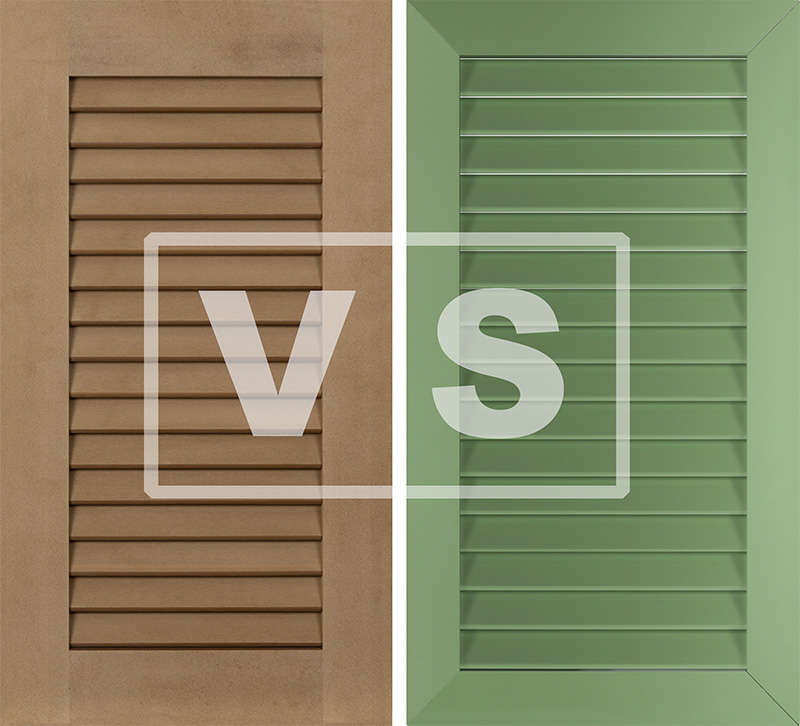
PVC Shutters
+ Durable and long-lasting
+ Nearly indistinguishable from wood
+ Functional or stationary installation
+ Presentable from both sides
+ Appropriate for historical renovations
Aluminum Shutters
+ Hurricane impact-rated
+ Extended life expectancy
+ Functional or stationary installation
+ Does not absorb moisture
+ Attractive with a coastal vibe
Aluminum exterior shutters are primarily engineered for strength and protection from tropical storms and hurricanes. PVC exterior shutters are designed for authentic architectural presentation and long-term performance. Choosing between aluminum and PVC shutters depends on the style of the home, the level of protection required, the project location, the desired appearance, and how the shutters will be used.
What Are Aluminum Exterior Shutters?
Aluminum exterior shutters are heavy-duty shutters manufactured from extruded 6063 T-6 aluminum alloy components. Stiles and rails are hollow, with 0.04-inch-thick walls, while nylon keys, structural adhesive, and 3/16-inch rivets secure the mitered corners. Horizontal louvers are suspended between the vertical stiles.
Most aluminum shutters are installed to protect windows from hurricane-force winds. However, decorative versions are also available for buildings that do not require impact-resistance properties.
Hinges for colonial aluminum shutters are pre-attached to the side stiles. Top hinges arrive already fastened to Bahama shutters for efficient installation. A variety of locking mechanisms allow aluminum shutters to be secured in the closed position to cover the window.
What Are PVC Exterior Shutters?
PVC exterior shutters are manufactured from solid co-extruded polymers that resist moisture, insects, rot, and decay. The substantial components are made to resemble traditional wood shutters. PVC is often selected when a homeowner wants the appearance of painted wood without the concern of potential decay.
PVC is especially valuable for homes in humid climates, rainy regions, or locations where wood may require more maintenance. It paints well, holds detail, and gives a clean, polished appearance. For homeowners who want traditional shutters that look substantial and architectural, PVC is a strong selection.
PVC shutters can be installed with either of two hardware methods. Functional hinges allow the shutters to swing open and closed, while stationary brackets secure the shutters in a fixed position beside the window.
While PVC shutters are durable, they are not hurricane-rated like aluminum shutters.
Regional Appeal
Aluminum shutters are highly coveted along the southern Atlantic, Pacific, and Gulf coasts. Their sleek, smooth, structured design blends well with a tropical aesthetic. Because aluminum shutters are hurricane-rated, they are far more practical than many other shutter applications in storm-prone regions. They can close and lock quickly in preparation for a tropical storm.
Some properties in the Midwest and other central regions also use aluminum shutters as strong wind and hail deterrents.
PVC shutters are more popular in states toward the interior of the country. The synthetic material is durable and stable, and it will not absorb moisture if the finish becomes compromised. PVC shutters are so true to the design of traditional wood shutters that they are often approved for historic renovations.
Exterior Shutter Styles
PVC shutters are available in all common exterior shutter styles, including louvered, Bahama, raised panel, flat panel, shaker, combination, and board and batten designs. This gives design flexibility for a wide range of home styles and operating preferences.
Although aluminum shutter style options may seem limited, they satisfy the needs of most properties suited for their use. The standard aluminum colonial louvered shutter style is classic and extremely practical for the coast. When closed, the shutters allow air to pass through the louvers to help cool the house while blocking direct sunlight. Aluminum Bahama shutters perform like an awning, preventing direct sunlight from striking the window. Space between the louvers also allows for partial visibility beyond the shutter.
PVC shutters can be used as fixed decorative shutters or as functional shutters with appropriate hardware. That flexibility makes PVC one of the most versatile exterior shutter materials.
Color Options and Finish
Aluminum shutters from ShutterLand are powder-coated. This system creates a durable, consistent surface that bonds to the aluminum. 20 standard aluminum colors are available, and 174 custom RAL colors are available for projects that require a specific design match. Powder-coated aluminum gives shutters a smooth, professional finish and is especially appropriate for coastal installations in hurricane zones.
PVC shutters need to be painted, giving homeowners tremendous color flexibility. PVC can be finished in nine standard classic shutter colors, such as black, white, green, red, blue, brown, and gray. Select from an unlimited selection of custom PVC paint colors for a one-time amount of $250. This makes PVC an excellent choice for projects where the shutter color must match trim, doors, siding, or a historic color palette.
Strength and Durability
Both aluminum and PVC shutters are durable, but they are durable in different ways. Both materials perform well when subjected to rain, snow, sleet, intense sunlight, and fluctuating temperatures.
Aluminum is strong, rigid, and resistant to impact. It does not rot, warp, or absorb moisture. It can withstand harsh sun, coastal humidity, and severe weather when properly installed. Powder-coated aluminum shutters are designed for long outdoor exposure and can be especially useful in demanding environments.
PVC is also highly resistant to moisture and decay. It will not rot, and insects cannot burrow inside. PVC is well-suited for areas with rain, humidity, sprinklers, and shade. It is a dependable material for homeowners who want a painted shutter with a long service life.
For homes in Florida, coastal Texas, the Gulf Coast, the Carolinas, or other storm-exposed regions, aluminum is usually the better choice when hurricane protection is a serious requirement. Aluminum Bahama and colonial shutters combine daily curb appeal with seasonal storm readiness.
PVC remains a good option in all areas when the shutters are decorative or traditionally functional, but not when code-required hurricane protection is needed.
Maintenance Requirements
Aluminum shutters should be washed periodically with mild soap and water to remove dirt, pollen, salt, and airborne contaminants. In coastal environments, occasional rinsing is especially important because salt can accumulate on exterior surfaces. The powder-coated finish is durable, but routine cleaning helps preserve its appearance.
PVC shutters also benefit from periodic cleaning. Dirt, mildew, and environmental residue can collect on any exterior surface. A mild cleaning solution and a soft brush or cloth are usually sufficient. Because PVC shutters are painted, the paint finish may eventually need attention depending on sun exposure, color, climate, and paint quality.
Historical and Traditional Design
Many older homes were designed with wood shutters that fit the window opening and appeared capable of closing over the glass. Properly sized PVC shutters can recreate that traditional appearance. They can be made with classic louvered panels, raised panels, flat panels, or board and batten construction. When paired with appropriate hinges and shutter dogs, PVC shutters look authentic and substantial.
Aluminum shutters can look attractive on historic or traditional homes, but they are generally more style-specific. Bahama shutters, for example, create a distinctly coastal, Caribbean, or Hawaiian appearance. Colonial aluminum shutters are more traditional than Bahama shutters, but they still have the visual character of a storm-protection product.
For a historic district, restoration project, or traditional facade, PVC is often the more natural fit. For a coastal home that needs protection and shade, aluminum may be ideal.
Cost Considerations
Aluminum shutters and PVC shutters are similar in price. Both are on the higher end of the exterior shutter spectrum compared to vinyl shutters, composite shutters, and some wood shutters.
Installation Differences
Aluminum and PVC shutters require slightly different installation methods.
Bahama shutters suspend from a top hinge and remain in an open position with support arms. Aluminum Bahama shutters arrive with the top hinge pre-attached and ready to install. The top hinge for PVC Bahama shutters must be attached to the shutter during installation. The top leaf of the hinge attaches just above the window.
Colonial-style shutters use side-mounted hinges that allow the shutters to swing open and closed. Hinges for colonial aluminum shutters are pre-attached to the shutters, while hinges for PVC shutters must be purchased separately. Both materials can also be installed with brackets that permanently fix the shutters at the window’s edge.
Accurate measurements are critical, and the measuring steps vary based on the material and style selected. Aluminum Bahama measuring instructions have different requirements than PVC Bahama shutter measurements. The whole unit width is needed for colonial aluminum shutter measuring instructions, while colonial PVC shutter measurements are based on individual panels.
Best Uses for Aluminum Shutters
Aluminum shutters are best for homes that need strength, storm protection, shade, or a coastal appearance.
They are especially appropriate for:
- Coastal homes exposed to hurricanes or tropical storms
- Beach houses and waterfront properties
- Homes needing impact-rated shutter solutions
- Bahama shutter projects requiring shade and airflow
- Colonial hurricane shutter projects requiring side-hinged protection
- Hot, sunny climates where powder-coated durability is valuable
- Modern, tropical, southern, and coastal architecture
Aluminum is also a smart choice when the homeowner wants shutters that do more than decorate. If performance matters, aluminum deserves serious consideration.
Best Uses for PVC Shutters
PVC shutters are best for homeowners who want a traditional painted shutter with excellent resistance to moisture and decay.
They are especially appropriate for:
- Traditional homes
- Historic-style homes
- Colonial, Cape Cod, cottage, farmhouse, and transitional architecture
- Decorative fixed shutter installations
- Functional non-hurricane shutter installations
- Projects needing custom paint colors
- Humid or rainy climates where wood maintenance is a concern
- Homeowners who want the look of painted wood without using natural wood
PVC is one of the best choices when curb appeal, architectural accuracy, and design flexibility are the main goals.
Final Thoughts
Aluminum and PVC exterior shutters are both premium options, but they are not interchangeable. Aluminum shutters are engineered for strength, storm protection, shade, and coastal durability. PVC shutters are built for architectural beauty, paint flexibility, moisture resistance, and traditional shutter design. Both are smart investments that can add long-term value to the home and provide many years of service.