Most Popular Exterior Shutter Colors
Written by ShutterLand, a U.S. exterior shutter specialist with over two decades of hands-on experience in shutter measurement, material selection, finish options, and installation for residential homes and commercial properties.
Exterior shutters provide an opportunity to introduce contrast and color without changing the primary exterior of a home. The right shutter color can complement siding, brick or stone, coordinate with trim and doors, and emphasize the windows and architectural style.
Black remains the most popular exterior shutter color, largely because it works with such a wide range of homes. Dark green, gray, blue, white, red and brown are also traditional choices that can create very different appearances depending on the surrounding exterior colors.
There is no single shutter color that works best for every house. Start with the permanent and dominant features of the exterior—including siding, brick, stone, roofing and trim—then select a shutter color that provides the desired level of contrast.
What Are the Most Popular Shutter Colors?
Several exterior shutter colors have remained popular because they coordinate successfully with common residential building materials and architectural styles.
Black Shutters
Black exterior shutters are the most frequently selected color and one of the most versatile choices for a home exterior.
Black creates strong definition around the windows and works particularly well with white, cream, gray and many lighter siding colors. It can also provide an effective contrast against brick, stone and other textured exterior materials.
Because black is a neutral, it can be used on traditional, transitional and contemporary homes without competing with other exterior colors.
Dark Green Shutters
Dark green is a traditional shutter color that is especially well suited to homes with red brick, cream, tan, stone and other warm exterior materials.
Very dark greens can appear nearly black from a distance while revealing the green color in brighter light. This provides much of the contrast of black with a slightly softer and more traditional appearance.
ShutterLand’s Black Forest Green is a very dark historic green, while Chrome Green provides a more recognizable deep green.
Gray and Charcoal Shutters
Gray shutters offer a neutral alternative to black. Dark charcoal can create noticeable contrast against white or light-colored siding, while medium gray tends to produce a softer transition.
Gray works particularly well with white, blue, gray and many stone exteriors. It can also coordinate with homes that already incorporate gray roofing, masonry or trim.
For homes with several existing exterior colors, gray can help connect those elements without introducing another strong accent color.
Blue Shutters
Blue shutters can range from traditional gray-blue to brighter coastal colors.
Muted blue shutters work well with white, cream, light gray and many neutral exterior palettes. They can provide noticeable color without becoming the dominant feature of the home.
Deeper blues generally create a more formal appearance, while lighter or clearer blues are commonly associated with coastal and casual architecture.
White Shutters
White shutters create the greatest contrast on homes with darker siding, brick or other deep exterior colors.
They can also coordinate with white trim to create a consistent frame around the windows. On light-colored homes, however, white shutters may provide very little contrast. Whether that is desirable depends on the architecture and the effect the homeowner wants to achieve.
Red and Burgundy Shutters
Red shutters introduce a stronger accent color and are most successful when coordinated carefully with the surrounding exterior.
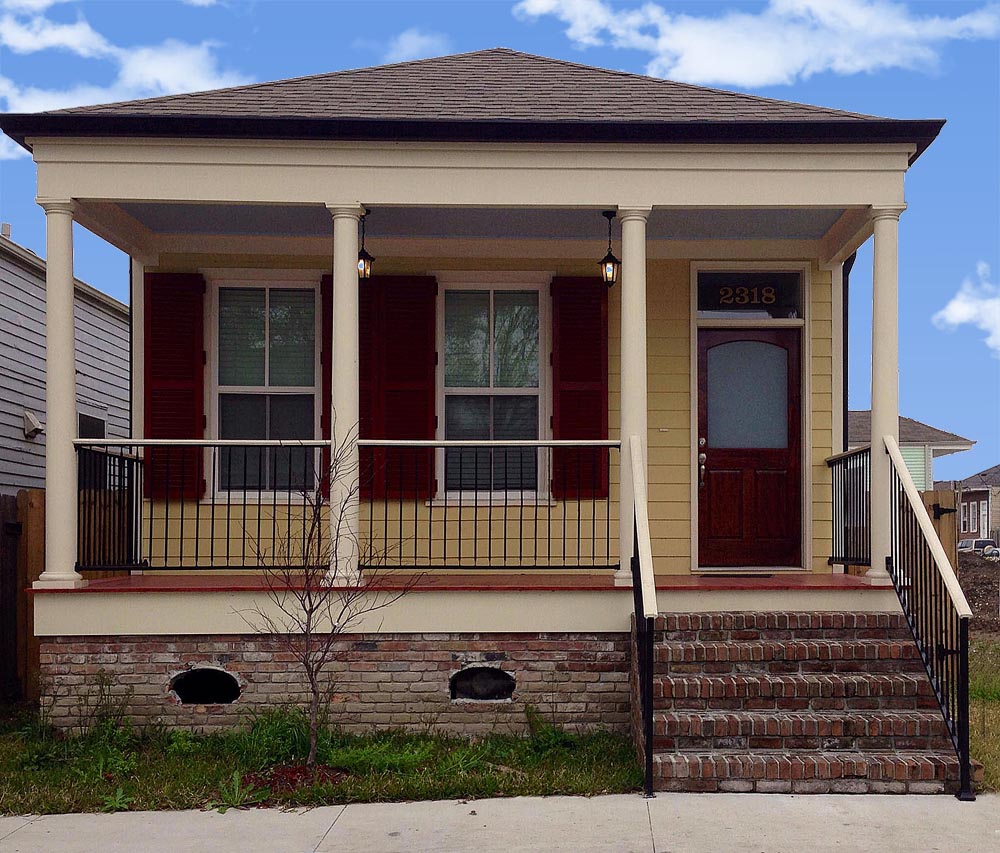
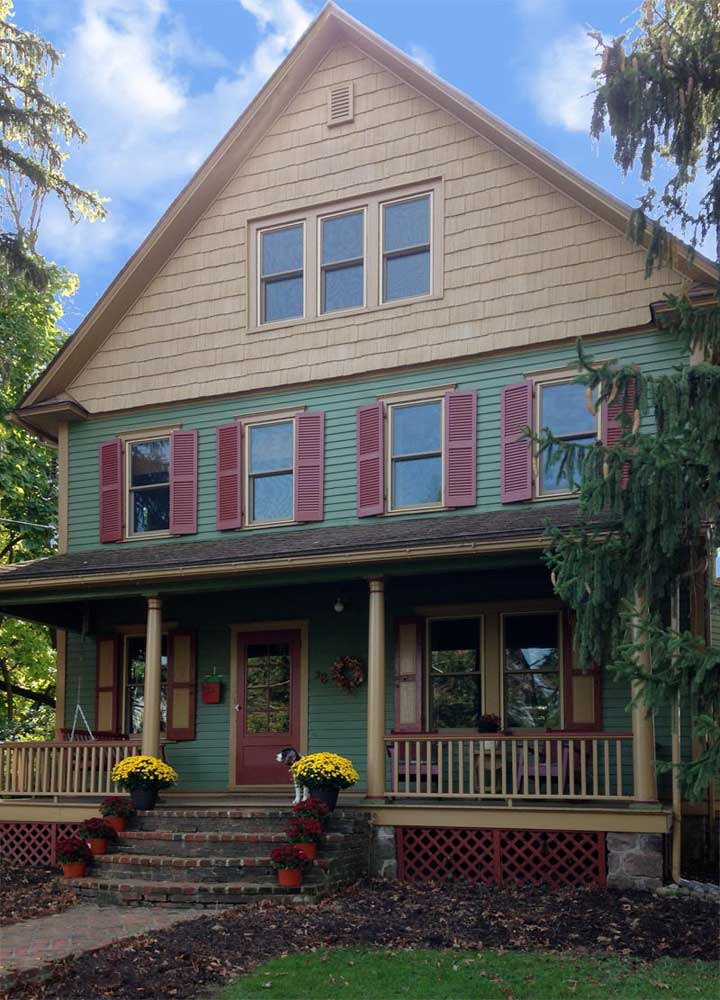
Deep burgundy and muted red shades often complement beige, cream, warm gray and selected brick colors. They can also be effective on traditional homes where red is already present in the front door, masonry or other architectural details.
Because red attracts attention, samples should be evaluated directly against the home before making a final selection.
Brown Shutters
Brown shutters coordinate naturally with tan, beige, stone, brick and other earth-toned exteriors.
Deep brown provides definition similar to black but with a warmer appearance. It can be especially effective on Tudor, Craftsman, rustic and traditionally styled homes that incorporate natural materials or warm architectural colors.
Best Shutter Colors by House Color
The existing color of the home is usually the best starting point when selecting shutters. These combinations are not absolute rules, but they provide a useful starting point.
White or Cream House
A white or cream exterior can accommodate almost any shutter color because the background is neutral.
Popular options include:
- Black for strong, classic contrast
- Dark green for a traditional appearance
- Charcoal for a softer neutral contrast
- Blue for additional color
- Red or burgundy for a stronger accent
- Brown for a warmer appearance
The roof, front door and other exterior materials can help narrow the selection.
Gray House
Black and charcoal shutters create a clean monochromatic palette on gray homes. Dark green or blue can introduce color while remaining relatively subdued.
Pay attention to whether the siding has warm or cool undertones. A warm gray may coordinate better with brown or warmer greens, while a cooler gray often works well with black, charcoal and blue.
Beige or Tan House
Black, dark green and brown are dependable choices for beige or tan siding.
Deep red can also work well with warm neutrals when the color is repeated elsewhere on the exterior.
The amount of contrast should guide the final selection. Black creates a sharper appearance, while brown or dark green usually provides a softer transition.
Blue House
White shutters create crisp contrast against many blue exteriors, while black, charcoal and dark blue can provide a deeper accent.
For a more subtle appearance, select a shutter color that is darker than the siding but remains within the same blue or gray-blue family.
Yellow House
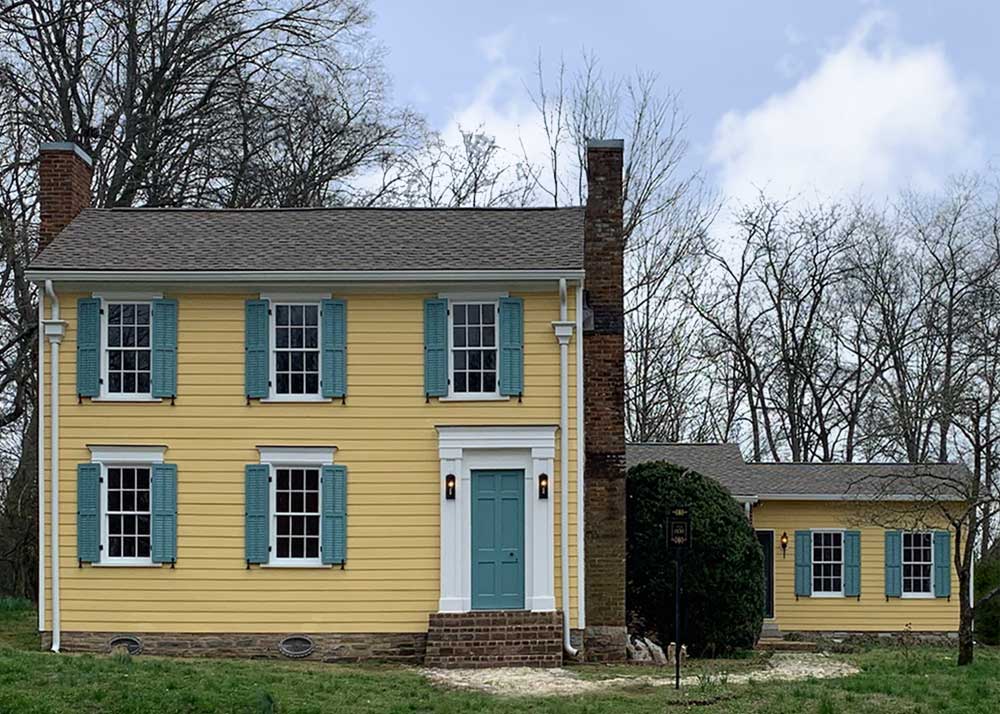
Traditional yellow and cream-colored homes often pair well with black, dark green, blue or deep brown shutters.
Dark shutters provide enough contrast to define the windows without competing with the warmer body color.
Red Brick House
Shutters for brick homes should coordinate with the variations already present in the masonry rather than simply matching the dominant brick color.
Black is a classic choice for red brick. Dark green can provide a traditional alternative, while deep brown, charcoal and selected muted colors may complement the mortar, roof or secondary tones in the brick.
Because brick can contain several colors, evaluate physical color samples directly against the masonry whenever possible.
Stone Exterior
Stone often contains a combination of gray, brown, beige, cream and other natural tones. A shutter color can be selected from one of the darker secondary colors already present in the stone.
Black, charcoal, dark green and brown are frequently compatible because they provide definition while allowing the masonry to remain the dominant exterior feature.
How to Choose a Shutter Color
Exterior shutters typically function as an accent rather than the primary color of the house. The goal is to complement the overall exterior while providing enough contrast for the shutters to remain visually distinct.
Start by considering the features that are unlikely to change:
- Siding, stucco, brick or stone
- Roof color
- Window and door trim
- Front door
- Garage doors
- Existing architectural details
The shutter color does not need to match these elements, but it should relate naturally to the overall palette.
Contrast is also important. A shutter only slightly different from the body color can disappear visually, while a much darker or lighter shutter will emphasize the windows.
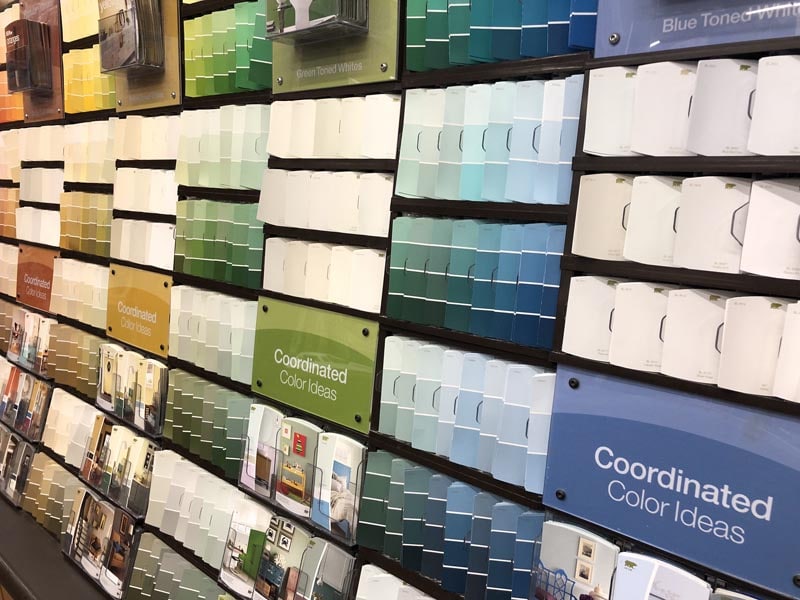
After narrowing the selection, view actual paint or finish samples outdoors. Colors displayed on phones and computer screens can vary, and exterior colors can appear substantially different in direct sunlight, shade and changing light throughout the day.
Should Shutters Match the Front Door?
Exterior shutters and the front door can match, but they do not have to.
Matching the shutters and door creates a simple, coordinated exterior and is especially common when black, dark green, blue or another traditional accent color is used.
Using different colors can also be successful. For example, black shutters can frame the windows while a red, blue or natural wood front door becomes the primary focal point.
The more important consideration is that the shutter and door colors work together with the siding, trim, roof and other permanent exterior materials.
ShutterLand Exterior Shutter Color Options by Material
The available color selection varies by shutter material.
Wood, PVC and Composite Shutter Colors
Wood, PVC and composite shutters are available in nine standard factory-painted colors:
- White
- Charcoal Slate
- Black
- Black Forest Green
- Chrome Green
- Hamilton Blue
- Country Redwood
- Cottage Red
- Tudor Brown
Virtually any specified paint color can also be custom matched.
View Wood, PVC & Composite Shutter Colors
Vinyl Shutter Colors
Vinyl shutters are available in 19 standard colors molded throughout the material rather than applied as a surface coating.
The selection includes black, white, blue, green, gray, red, brown, bronze and other exterior shades. A paintable vinyl option is also available when a specific field-applied color is required.
Aluminum Shutter Colors
Aluminum shutters receive a durable powder-coated finish rather than conventional liquid paint.
ShutterLand offers 20 standard aluminum colors, including white, black, blue, green, gray, red, brown, bronze and turquoise shades. An additional 174 RAL colors are available when a color outside the standard selection is desired.
Because colors can vary significantly between screens and actual finished materials, physical color samples are recommended before ordering.
Custom Exterior Shutter Colors
Custom color options also vary by material.
Wood, PVC and composite shutters can be factory painted in virtually any specified paint color. Aluminum shutters can be powder coated in a wide selection of additional RAL colors.
Standard vinyl shutter colors cannot be refinished, but a paintable vinyl version is available for homeowners who need a specific color not offered in the standard molded-through selection.
See the complete Exterior Shutter Colors guide to compare colors and finishing methods for every shutter material.
Shutter Colors for Historic Homes
Color selection can be especially important when replacing exterior shutters on a historic home.
Black, dark green, red, brown, blue and earth tones have all been used on American homes during different architectural periods. However, there is no single historically correct shutter color for every Colonial, Federal, Greek Revival, Victorian or other historic home.
The most appropriate color depends on the home’s age, region, architectural style and documented history.
Homeowners seeking an authentic restoration should consider historic paint collections associated with the appropriate period. Original paint evidence may also remain on protected portions of old shutters, trim or other exterior woodwork. Homes located within a designated historic district may be subject to additional color or material requirements.
For homes where strict historic accuracy is not required, historically inspired colors such as black, dark green, deep red, brown and muted blue can still provide a traditional appearance.
Frequently Asked Questions About Exterior Shutter Colors
What is the most popular exterior shutter color?
Black is the most popular exterior shutter color. It works with a broad range of siding, brick, stone and architectural styles while providing clear contrast around the windows.
What color shutters look best on a white house?
Black is one of the most traditional choices for a white house. Dark green, charcoal, blue, red and brown can also work well because a white exterior provides a neutral background for almost any accent color.
What color shutters work with red brick?
Black and dark green are traditional choices for red brick homes. Brown, charcoal and other muted colors can also work well when they coordinate with secondary colors in the brick, mortar, roof or trim.
Should shutters be darker than the house?
Shutters are often darker than the main exterior because contrast helps define the windows and shutter design. They do not have to be darker, however. White or other light-colored shutters can provide attractive contrast against darker siding or masonry.
Should exterior shutters match the front door?
They can, but matching is not required. Using the same color creates a coordinated appearance, while a different front door color can establish a stronger focal point. The shutter and door colors should both work with the overall exterior palette.
What is the safest shutter color if I am unsure?
Black is generally the most versatile choice because it coordinates with many siding, brick, stone and trim colors. Dark charcoal and dark green can provide similar versatility with a slightly softer appearance.
Can exterior shutters be custom color matched?
Yes. ShutterLand wood, PVC and composite shutters can be factory painted in virtually any specified exterior paint color. Aluminum shutters are available in standard and additional custom RAL powder-coat colors, while vinyl shutters are offered in molded colors or a paintable version.