Exterior Shutter Dogs
Written by ShutterLand, a U.S. exterior shutter specialist with over two decades of hands-on experience in shutter measurement, material selection, finish options, and installation for residential homes and commercial properties.
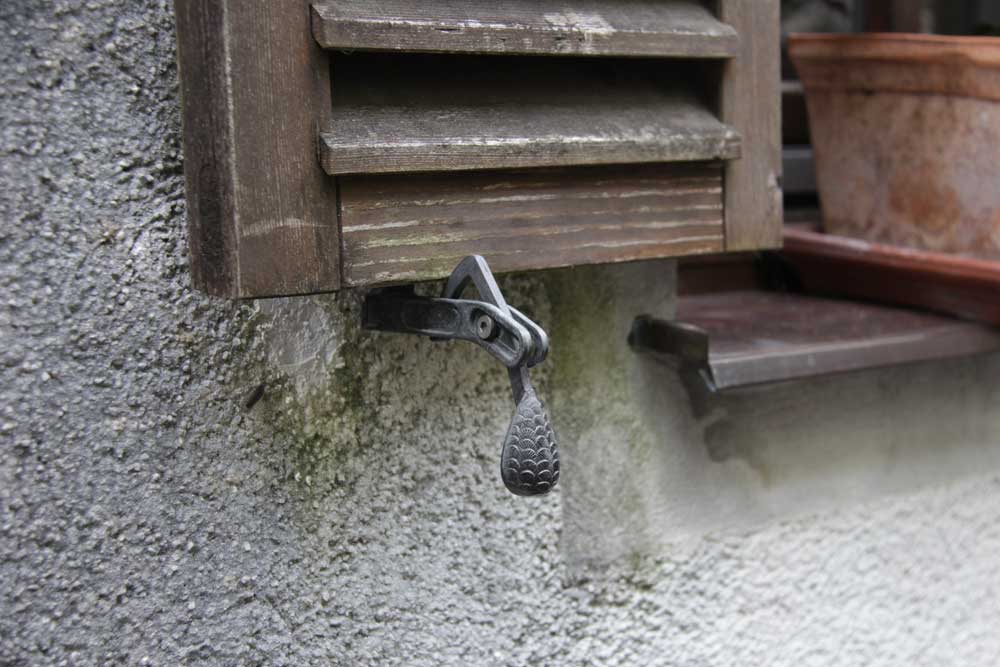
Exterior shutter dogs are functional hardware used to hold operable shutters securely in the open position. Also called shutter holdbacks, shutter catches, or shutter tiebacks, these simple devices have been used for generations throughout the United States and Europe.
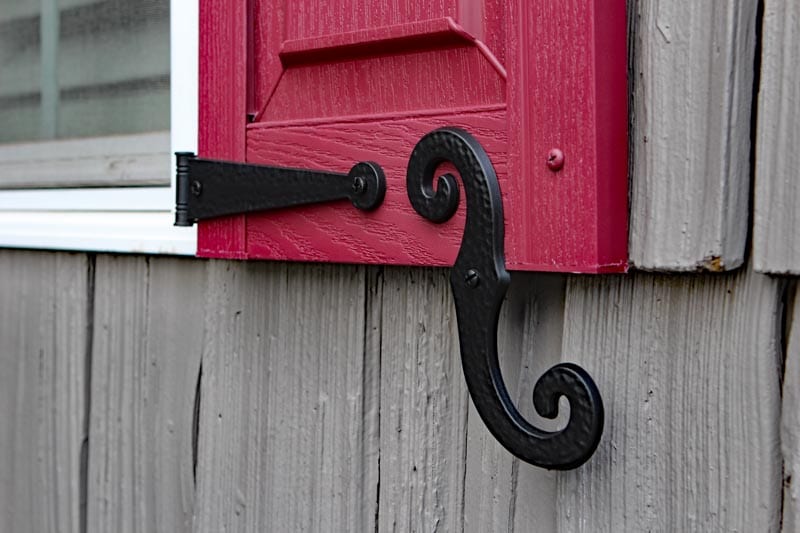
Shutter dogs also provide an opportunity to add architectural detail. Traditional S-shaped scrolls, simple geometric forms, regional motifs, and elaborate figural designs can complement wood and PVC exterior shutters.
What are shutter dogs?
The unusual name comes from an old mechanical use of the word “dog.” A dog can be a device used to grip, hold, or fasten an object. A shutter dog performs exactly that function by restraining an open exterior shutter against the building.
Most shutter dogs consist of a movable holdback mounted to a post, lag bolt, plate, or supporting arm anchored to the house. The hardware is positioned near the lower portion of an open shutter where it can secure the panel without interfering with normal operation.
Shutter dogs can be used with functional wood shutters and PVC shutters.
How Shutter Dogs Work
A traditional shutter dog pivots on a supporting post or bolt anchored to the building. The holdback is usually weighted or asymmetrical so it naturally hangs in a vertical position against the face of the open shutter.
Rotate the shutter dog away from the panel to release the shutter and allow it to swing closed over the window. Different shapes, sizes, and weights accomplish this same basic function in slightly different ways.
Some exterior shutter hinges, including Clarks Tip and Lull & Porter styles, incorporate a mechanism that holds the shutter open. Conventional surface-mounted strap hinges generally require a shutter dog or another holdback.
Shutter Dog Styles
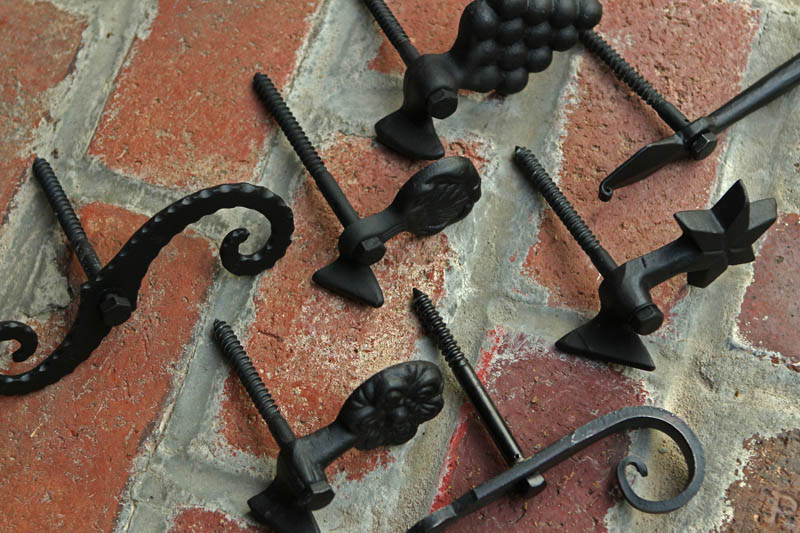
Exterior shutter dogs are available in a wide range of designs. The familiar S-shaped scroll is one of the most common styles used in the United States, while other forms have developed strong regional associations.
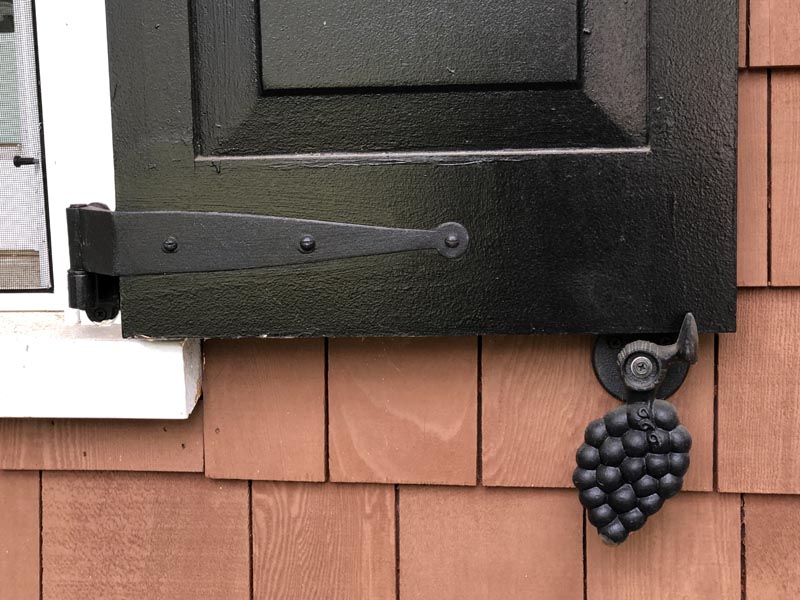
Hand-forged and cast-iron hardware is frequently used on historic properties in New England. Propeller and rat-tail designs are also associated with traditional architecture along the northeastern Atlantic coast. Flower, grape, and star patterns provide more decorative alternatives.
Coastal installations may incorporate dolphins, scallops, seahorses, alligators, and other nautical or regional motifs.
When paired with traditional shutter horns and tails, hinges, and other period hardware, shutter dogs can contribute substantially to an historically appropriate exterior.
Shutter Dog Designs
European shutter tiebacks display an especially broad range of forms. Many are simple utilitarian devices produced to perform the basic task of retaining the shutter. Others are highly decorative and become prominent architectural features.
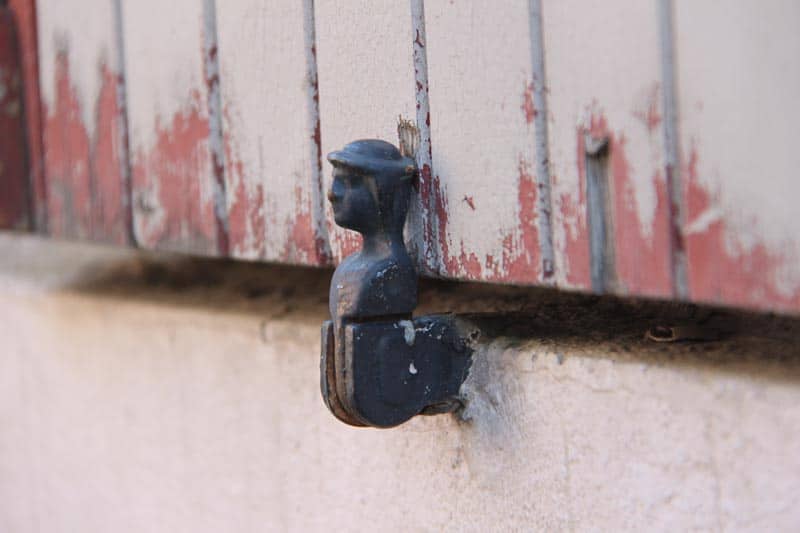
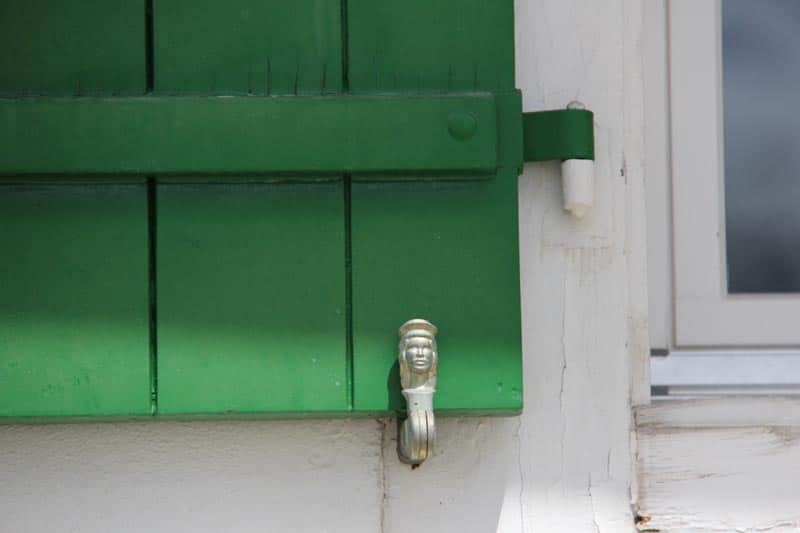
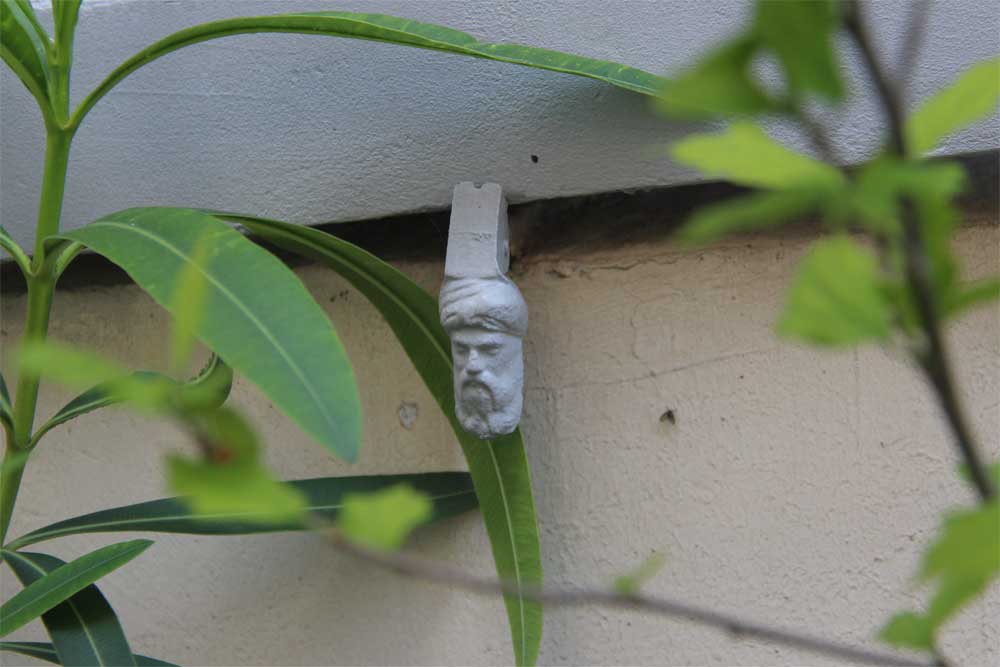
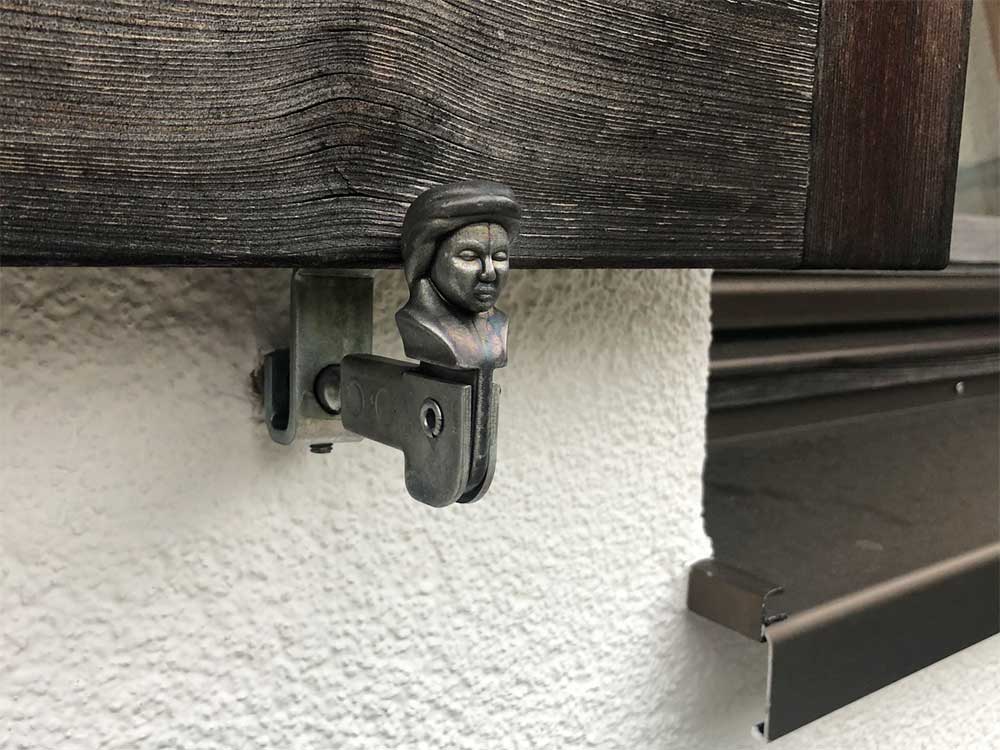
Some antique French and European shutter dogs depict the head or bust of a person, sometimes interpreted as a noblewoman, king, soldier, or other figure. The head remains upright to hold the shutter and tips or drops forward to release it.
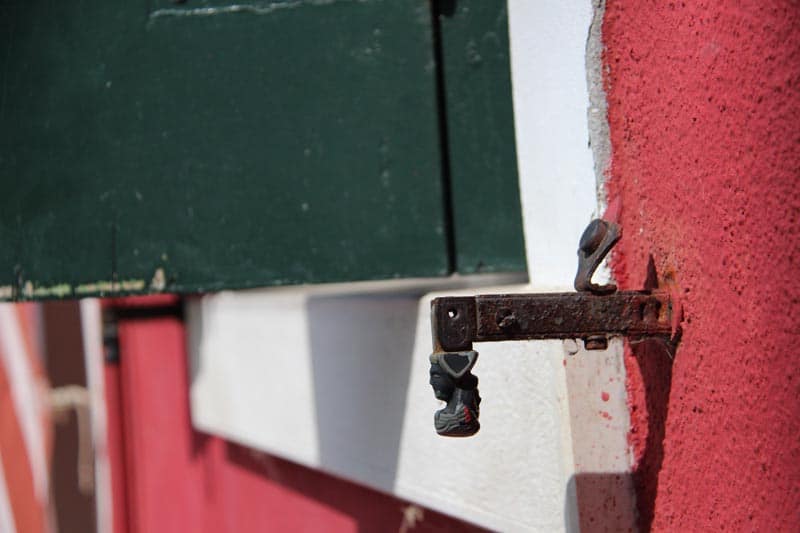
More elaborate examples display facial details in both the raised and lowered positions.
Shutter tiebacks can be used with board and batten shutters, solid panel shutters, and louvered shutters.
Shutter Dog Placement
Shutter dogs install after the functional shutters have been hung and aligned on the exterior hinges. With the shutter fully open against the building, the final panel position is used to determine the correct mounting location.
A traditional shutter dog is generally positioned about one-quarter of the shutter width inward from the outside edge of the open panel. Avoid locating the holdback beyond the outside edge of the shutter, where it may not effectively restrain the panel.
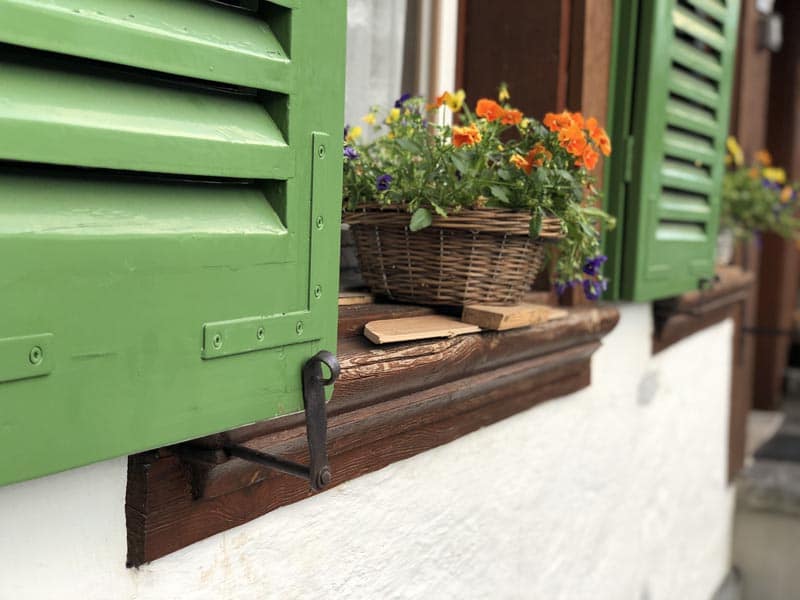
The vertical position depends on the shutter and shutter dog design. Traditional shutter dogs are typically installed below the bottom edge with enough clearance for the head to rotate freely, allowing the shutter to pass.
Hold the first shutter dog in position and mark the mounting point before drilling. Position the shutter dog on the opposite side at a corresponding distance from the window for a balanced installation.
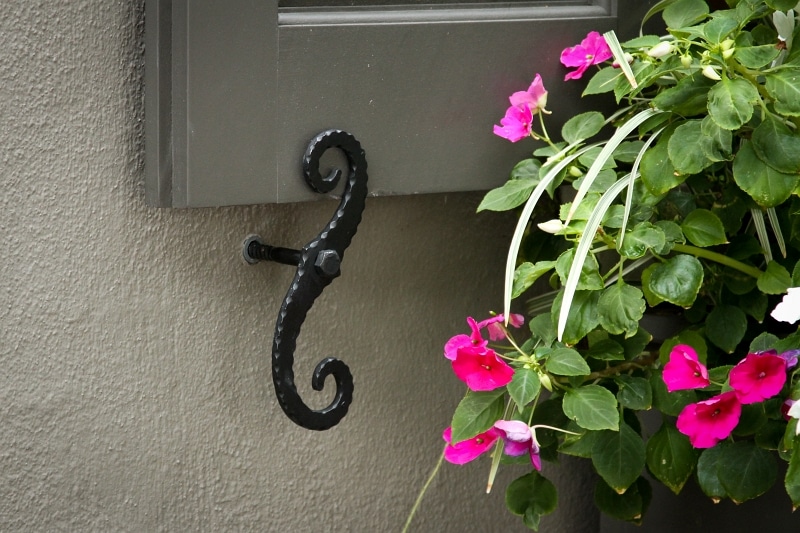
How to Install Shutter Dogs
Three common mounting configurations accommodate different building materials and window conditions.
Lag-Mount Shutter Dogs
Lag-mounted shutter dogs use a bolt through the face of the holdback and into the building. This is one of the most common installation methods.
Mark the final position and drill an appropriately sized pilot hole for the mounting bolt and substrate. Secure the bolt firmly while leaving the shutter dog free to rotate.
Brick and masonry installations require a fastening method appropriate for the specific wall construction. A suitable masonry anchor may be necessary.
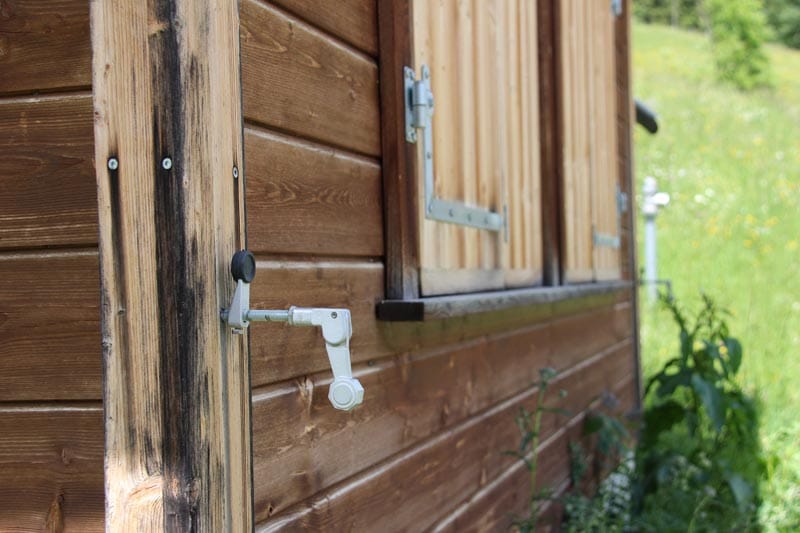
Plate-Mount Shutter Dogs
A plate-mount shutter dog uses a flat mounting plate secured to the face of the building. This configuration works especially well on relatively flat wood or trim surfaces.
The supporting arm projects outward from the plate to position the shutter dog against the open panel. This configuration may also be called a post-mount shutter dog.
Bent-Arm Shutter Dogs
A bent arm can extend from the window casing or surrounding trim when a conventional lag or plate mount cannot reach the shutter.
This arrangement is especially useful with stone, rock, deep trim, or irregular siding where the mounting surface and open shutter are not on the same plane.
Shutter Dogs with Positional Supports
Some shutter dog assemblies designed for use with PVC shutters include a positional support that fits over the mounting bolt.
When raised into position, the support provides a resting point for the lower edge of the open shutter. The shutter dog head holds the panel securely against the building.
This configuration combines the shutter holdback and supporting functions into one compact assembly and allows the final support position to be established after the shutter has been hung and aligned.
Alternatives to Shutter Tiebacks
Shutter dogs are not the only method used to secure functional shutters in the open position.
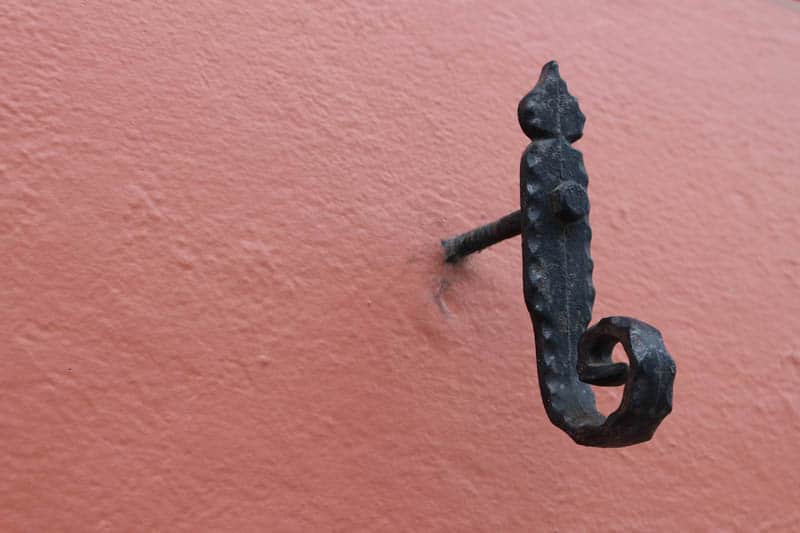
Historically, some installations used long hooks extending between the window area and an eye mounted to the shutter. Similar systems remain in use in some regions.
More compact bullet catches can also be installed with one component attached to the shutter and the receiving hardware mounted to the building. When the shutter opens, the two components engage to hold the panel in position.
Self-locking hinges provide another alternative by incorporating the holdback function into the hinge itself.
Faux Shutter Dogs
Faux shutter dogs are realistic-looking decorative hardware used with shutters installed in a stationary position. They reproduce the appearance of traditional functional tiebacks but do not operate.
Decorative false vinyl shutter dogs are can be paired with vinyl shutters to create the appearance of hardware.
Vintage and reproduction shutter dogs remain prominent architectural details in cities including Boston, Providence, Philadelphia, Baltimore, Washington, Charleston, Savannah, and many other historic communities throughout the United States.
Additional Shutter Dog Designs
Shutter dogs and related shutter-retaining hardware have been produced in many forms beyond the familiar American S-shaped scroll.
Wave Shutter Dog
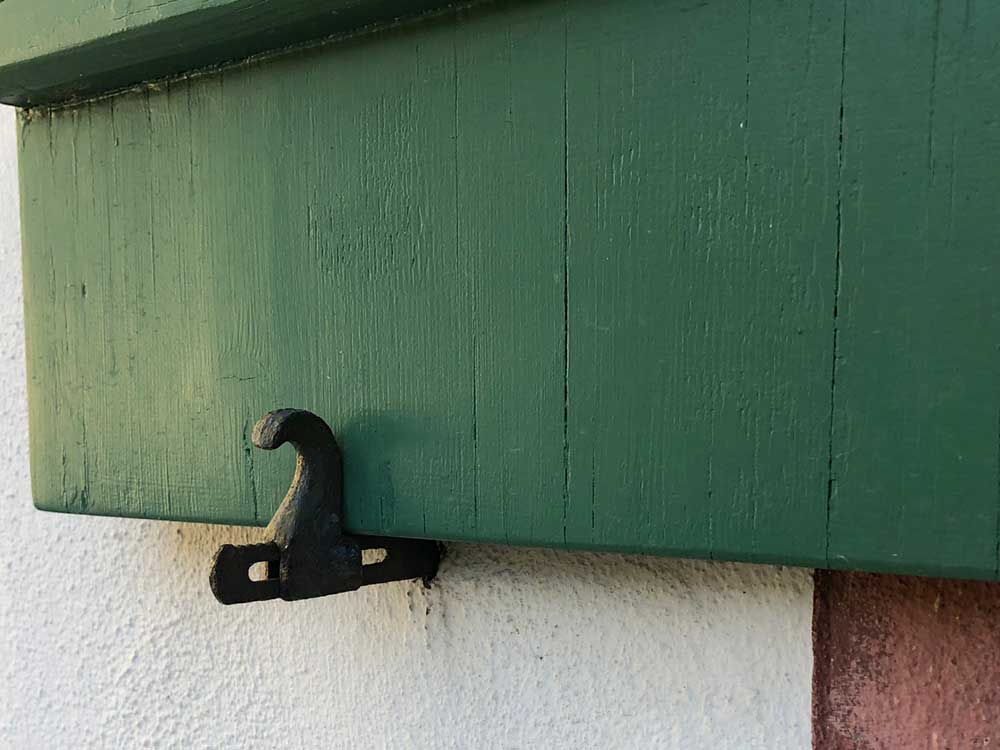
A less common wave-style device uses a sliding and pivoting motion. Moving the wave releases the shutter and allows the panel to swing.
Soldier Shutter Tieback
Figural shutter tiebacks sometimes depict soldiers and other recognizable characters. Examples can be found on historic buildings throughout parts of Europe, including Austria.
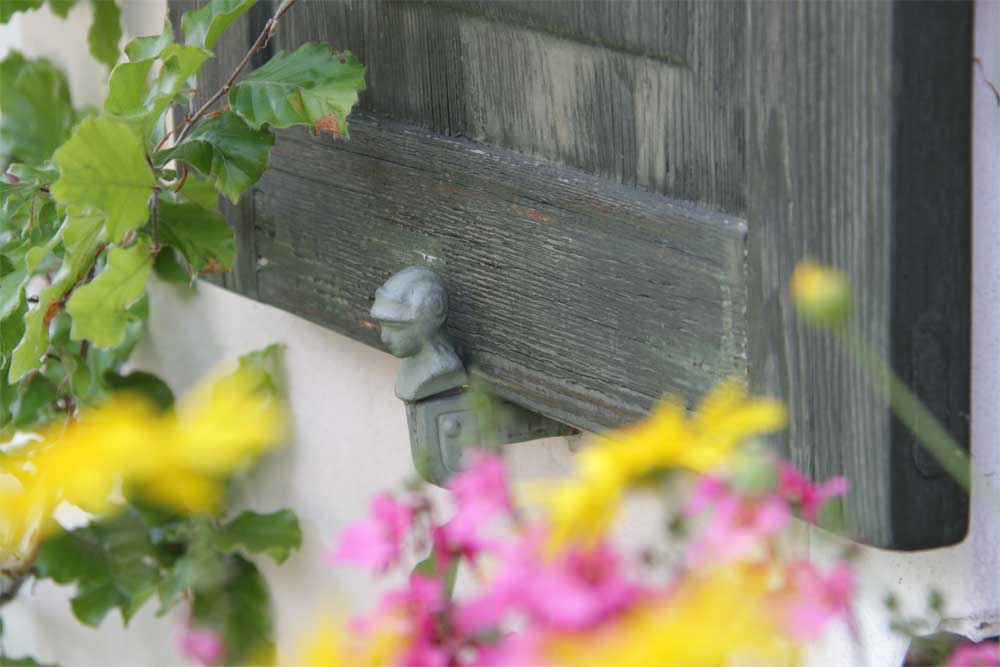
Split-Circle Shutter Dog
The split-circle design is mechanically simple. The moving portion slides upward and swings down to release the shutter.
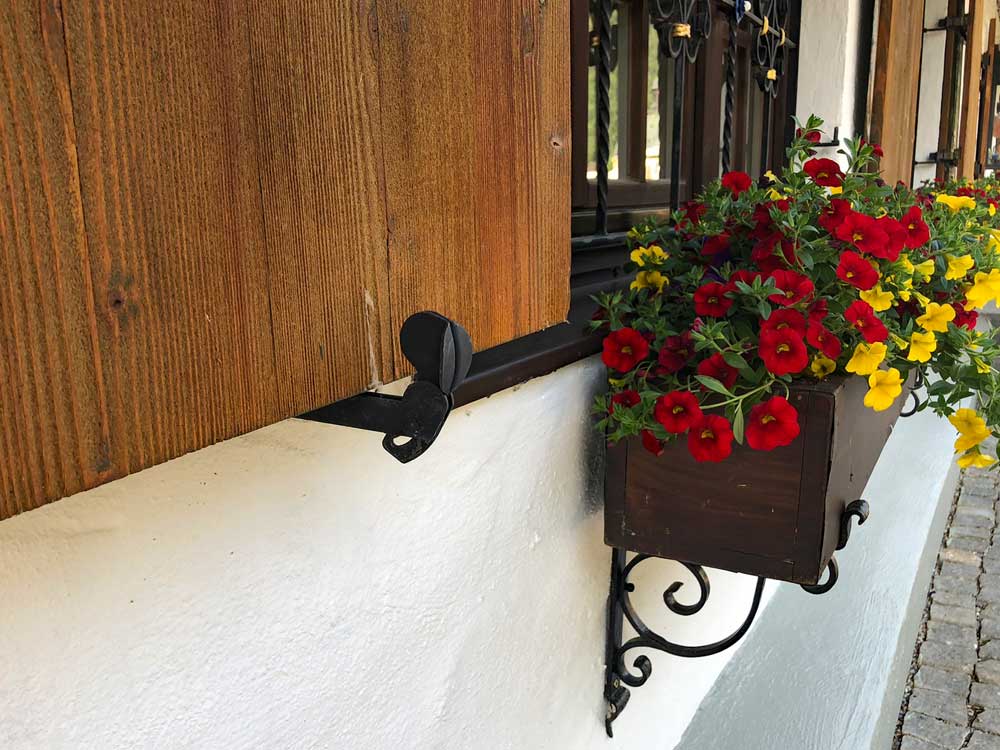
Lever-Style Shutter Dog
Lever-style holdbacks use pressure from the open shutter to help maintain their position. Moving the lever releases the panel.
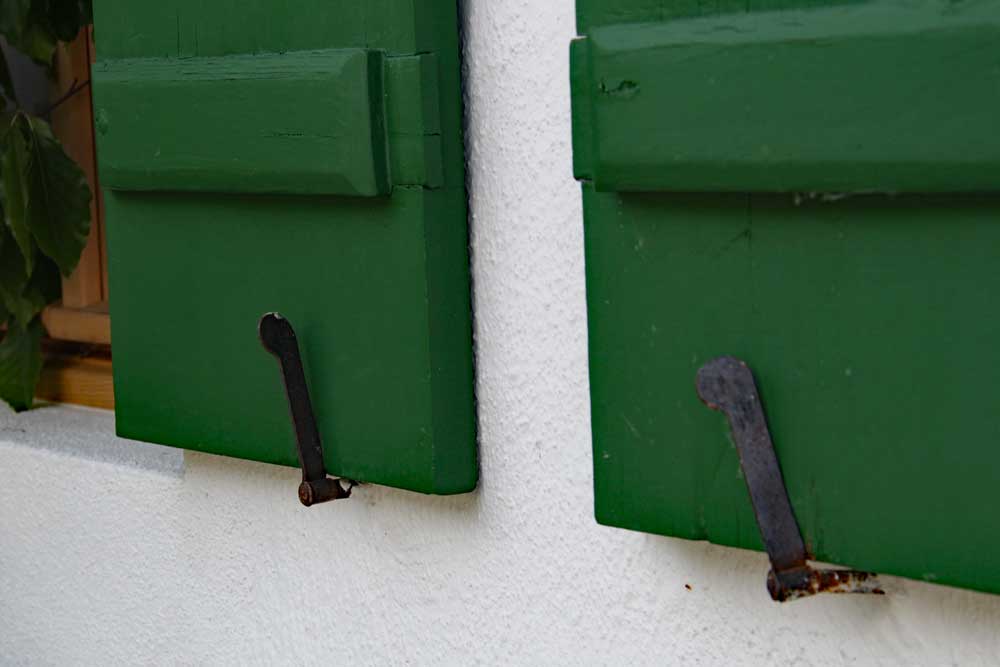
Trigger Latch
A trigger-style latch automatically engages as the shutter moves into position. Operating the release frees the shutter and allows it to swing away from the building.
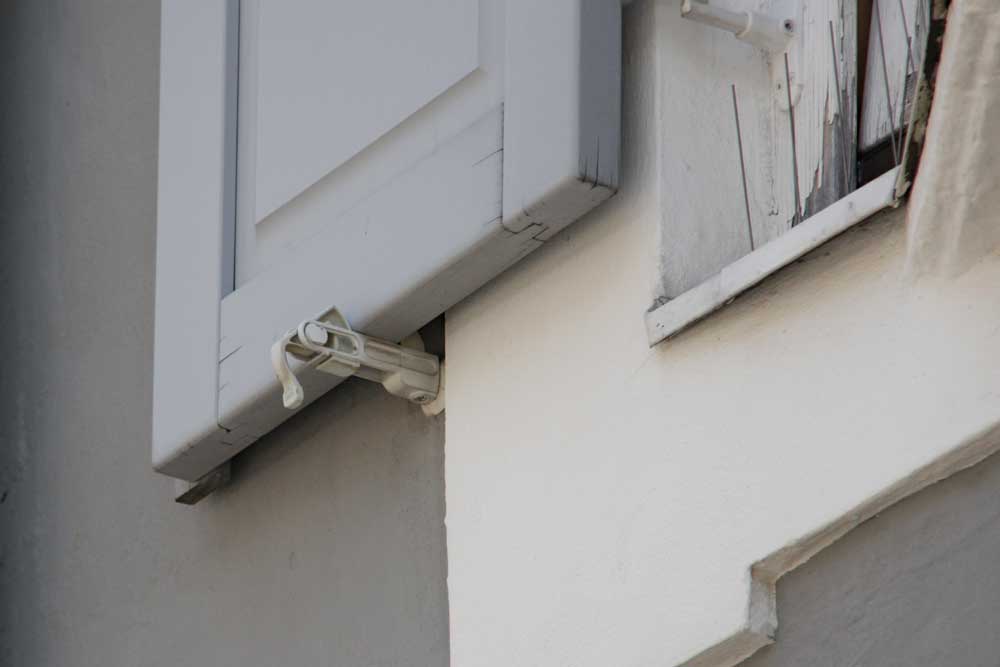
Modified Propeller Shutter Dog
Propeller-style shutter dogs rotate around a central mounting point. Modified versions can be extended away from the building to accommodate unusual conditions, including stacked shutters.
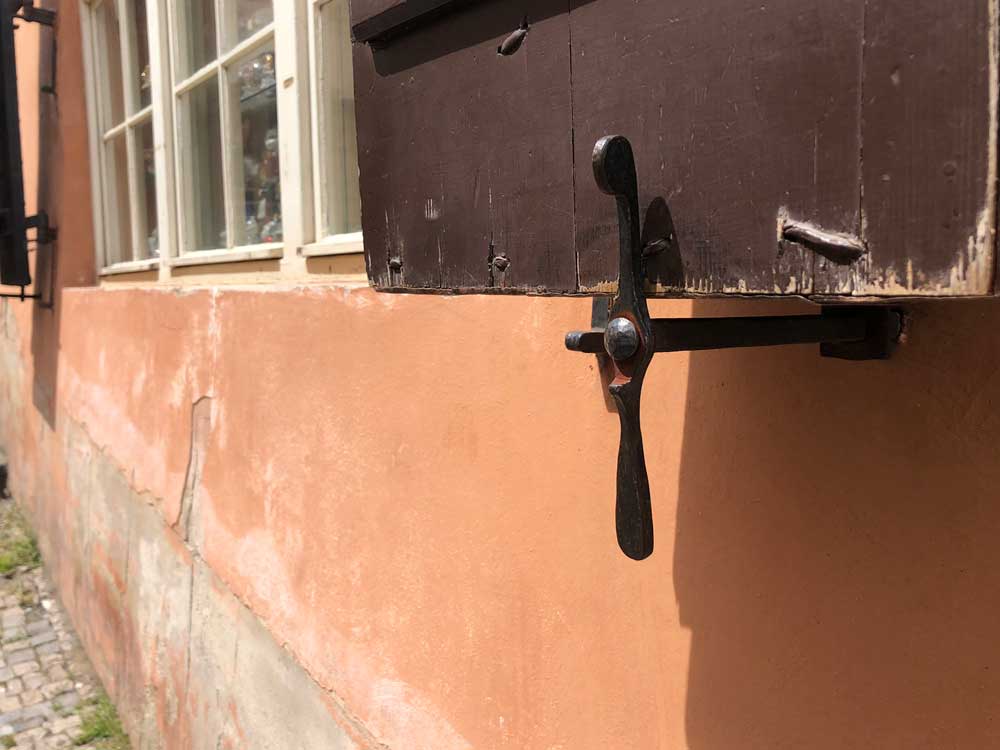
Figural Shutter Dogs
Some of the most elaborate antique shutter dogs depict a complete face or figure. A hinged head or body pivots to secure or release the shutter.
Drop-Release Shutter Dogs
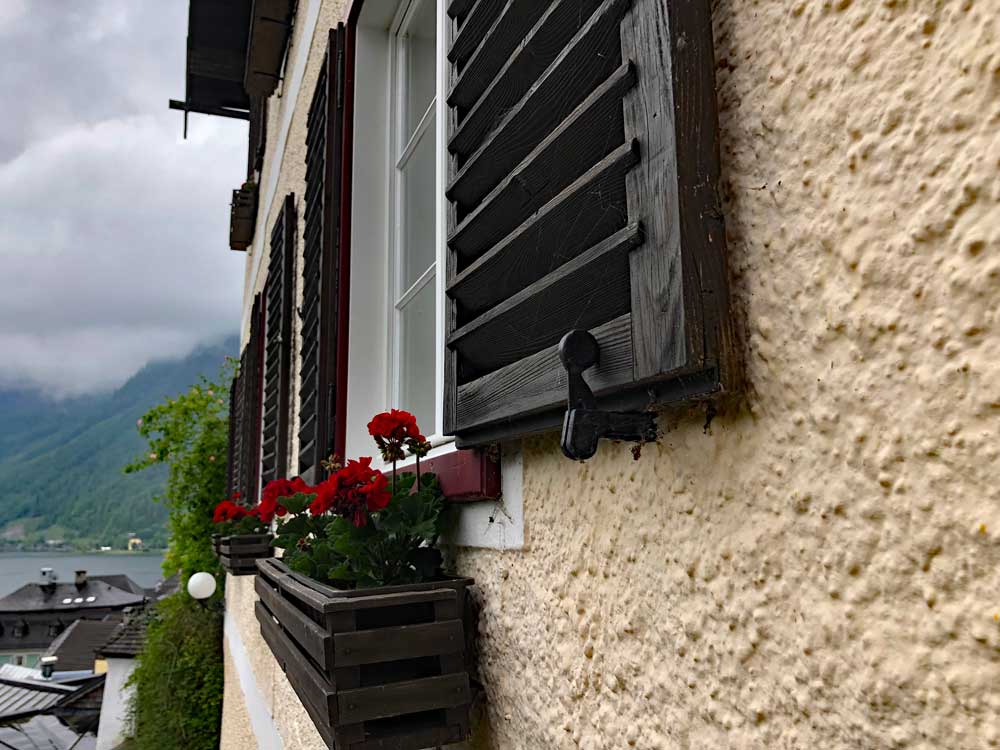
Drop-release designs use a circular or shaped moving component that lifts or pivots to release the panel. Examples found in Austria illustrate another regional approach to functional shutter hardware.
Pine Cone and Seed Designs
Nature-inspired shutter dogs may resemble pine cones, seeds, flowers, leaves, or other organic forms. The decorative shape conceals a simple mechanical device that moves to secure or release the shutter.